For decades, historians believed that agriculture gave rise to cities, which in turn gave rise to writing, art, and eventually religion. This was the established timeline of human civilization: first, we settled down and farmed; then, we built temples. But Göbeklitepe has turned this theory on its head.
A Discovery That Changed Everything
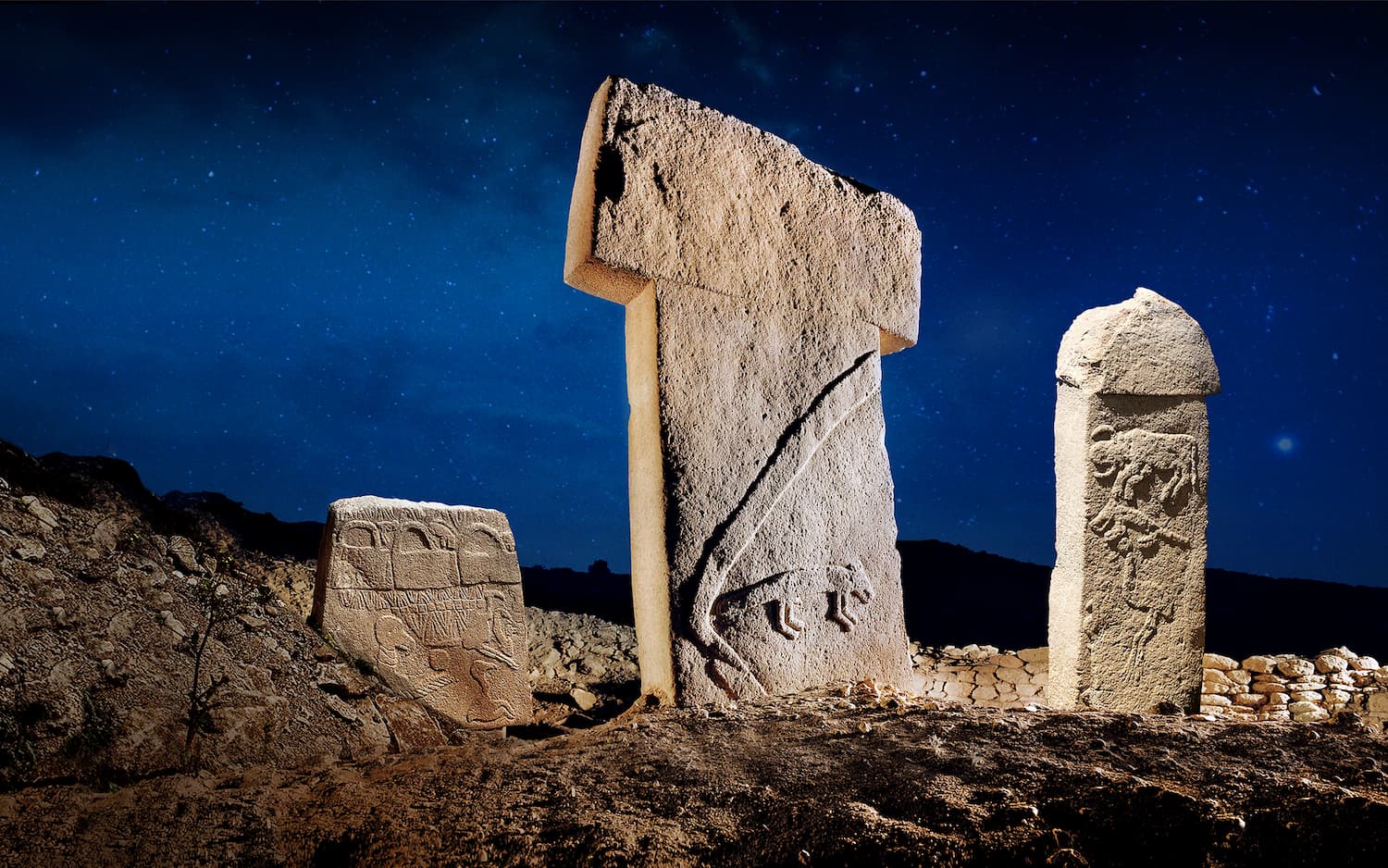
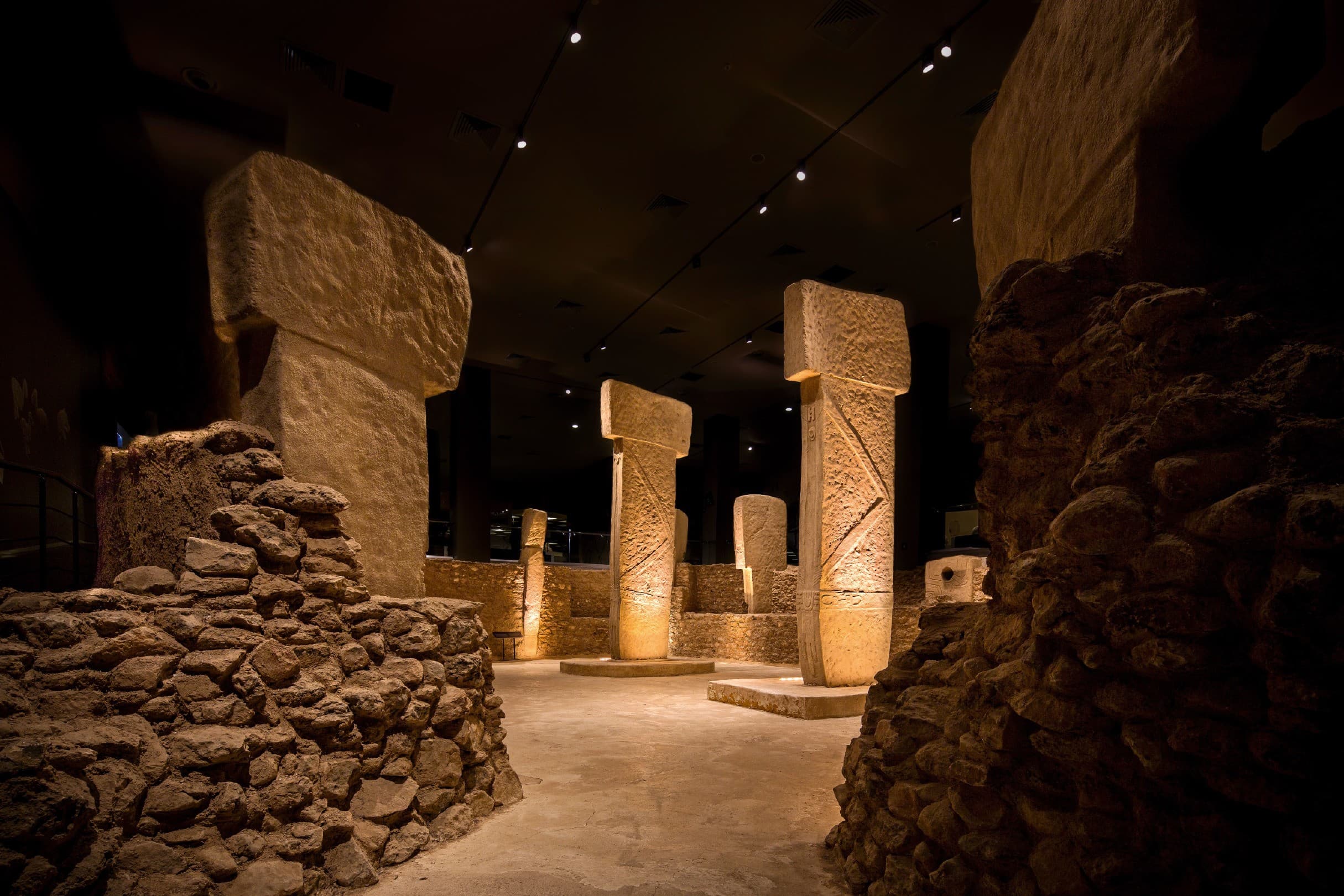
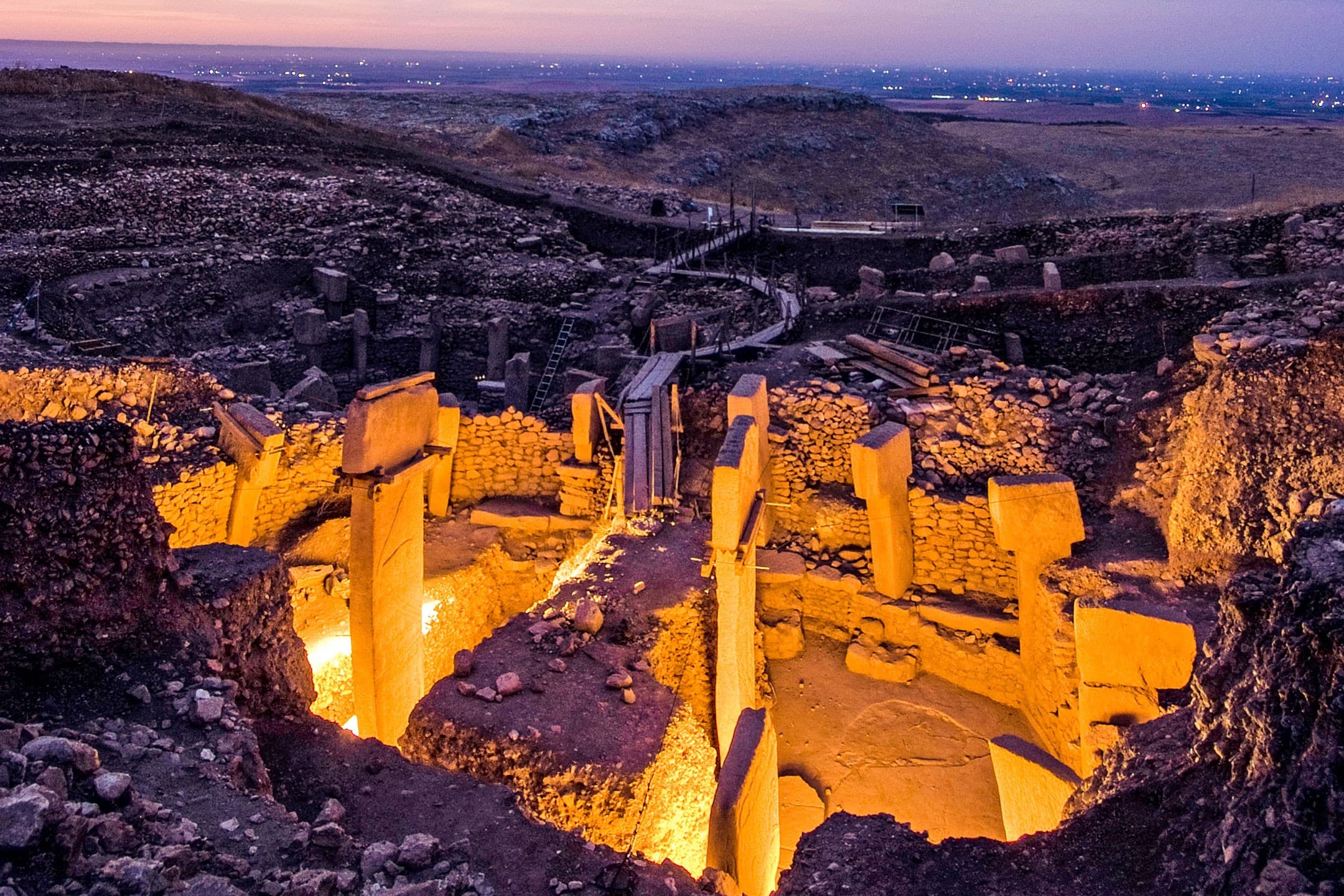
Located in the Germuş mountains of southeastern Anatolia, Göbeklitepe predates Stonehenge by some 6,000 years. Its massive T-shaped limestone pillars, some weighing up to 50 tons, were carved and erected by hunter-gatherers who had not yet developed metal tools, pottery, or agriculture.
The sheer scale of the site suggests a level of social organization previously thought impossible for pre-agricultural societies. It implies that it was the urge to worship—to come together for spiritual practice—that brought people together, eventually leading to the development of agriculture to feed the workforce.
The Symbolic Language of the Stone Age
The pillars at Göbeklitepe are not just structural supports; they are canvases. Carved with reliefs of foxes, scorpions, vultures, and boars, they represent a complex symbolic language that we are only beginning to decode. Some scholars believe these carvings may represent astronomical constellations, totemic animals, or perhaps guardians of the dead.
What is certain is that Göbeklitepe was a place of meeting. It was a cathedral on a hill, a pilgrimage site where disparate groups gathered. In this sense, it is truly the "zero point in time"—the moment humanity decided to build something greater than itself.